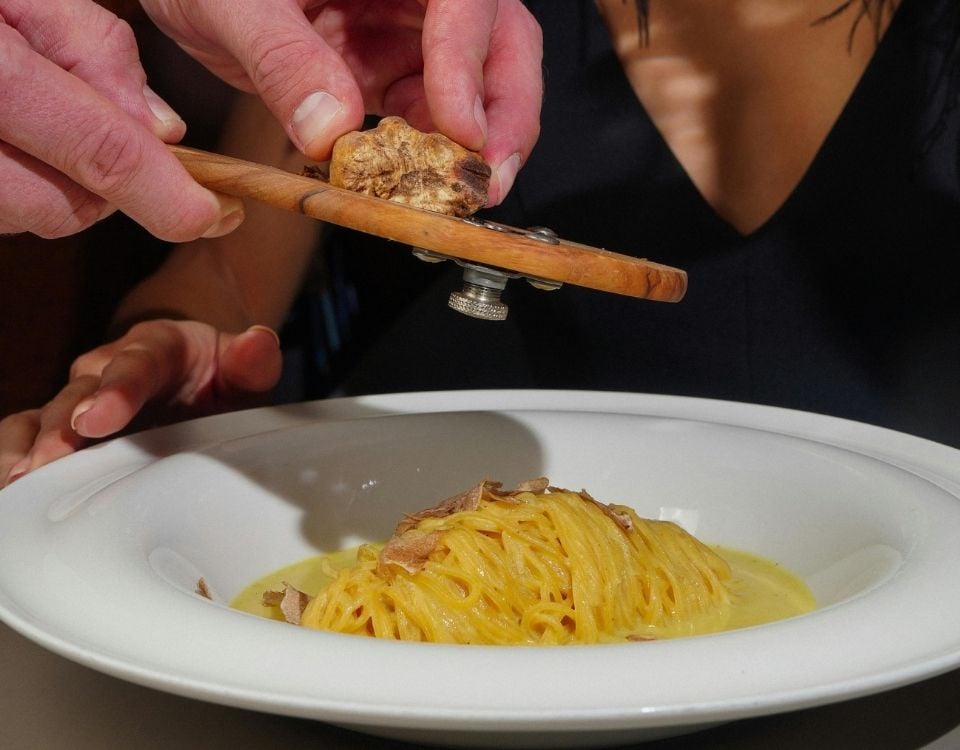

What Determines the Price of Truffles? All the Factors You Should Know
Truffles, often considered true jewels of gastronomy, are prized and sought-after delicacies all over the world. However, their price can vary significantly depending on several factors. Whether you’re a food enthusiast or a reseller, understanding these elements will help you better grasp the truffle market and its dynamics.
Factors That Influence the Price of Truffles
The price of truffles is determined by a combination of elements related to their origin, seasonality, quality, and rarity. Each variable plays a key role in defining the value of this precious ingredient.
Seasonality and Truffle Harvesting
Seasonality is one of the most important aspects affecting truffle prices. Some varieties are more abundant at certain times of the year, while others are rarer and harder to find. For example, the white truffle, which grows mainly in autumn, is one of the most expensive varieties. The difficulty of harvesting and the short duration of the harvesting season directly increase its value.
In autumn, truffle hunters begin collecting fine white truffles, but even during this period, the quantity available can vary greatly, impacting the market price. The quality of the truffle also depends on environmental conditions such as climate and soil composition. Rainfall, temperature, and soil quality all influence truffle growth and quality, with a direct effect on price.
The Variety of Truffle
There are several truffle varieties, each with a value that varies depending on rarity, seasonality, and organoleptic characteristics. The precious white truffle, known by its full scientific name “Tuber magnatum Pico,” is the most expensive and highly prized type, celebrated for its intense aroma and unmistakable fragrance that make it unique worldwide.
The black winter truffle (Tuber melanosporum), while less expensive than the white variety, is still highly sought after for its strong flavor and exceptional versatility in cooking.
Other types, such as the summer truffle and the black truffle of Norcia, are generally more abundant and therefore more affordable. However, their quality can vary depending on harvesting techniques, soil characteristics, and climatic conditions—all factors that directly affect aroma and texture.
The Quality of the Truffle
The price of a truffle also depends on its quality, which can be evaluated based on shape, size, and freshness. Fresh truffles with intact skin and a strong aroma command much higher prices than those that are damaged or less fresh. Freshness is crucial—a freshly harvested truffle retains its fragrance and texture better, making it more valuable.
Origin and Rarity
A truffle’s origin is another key factor in determining its price. Certain Italian regions—such as Piedmont, Umbria, Marche, and Tuscany—are renowned for producing high-quality truffles. Rarity is closely tied to the area of growth: some regions are naturally more favorable for truffle production, while others yield smaller quantities, which drives up the price.
Limited accessibility to certain areas, along with protective regulations that restrict harvesting, can also reduce availability and further increase costs. Moreover, the market value of truffles from specific, prestigious regions is often higher due to stronger demand and limited supply.
Harvesting Methods
Truffle harvesting is a delicate and labor-intensive process that relies on specially trained dogs to locate truffles underground. This method requires time, patience, and experience—especially in challenging terrains. The costs of training dogs, maintaining the harvesting areas, and the manual nature of the work all contribute to the final price of truffles.
Market Demand and Supply
Finally, as with any market product, demand and supply play a crucial role in determining truffle prices. During high-demand periods—such as the Christmas holidays—prices can rise sharply. Limited availability in certain seasons can also cause significant price increases.
The price of truffles depends on a complex mix of natural, seasonal, geographical, and economic factors. From variety and quality to freshness and rarity, every detail contributes to the overall value of this exceptional ingredient.
If you want to purchase fresh, high-quality truffles, it’s essential to rely on expert suppliers who guarantee authenticity and freshness.